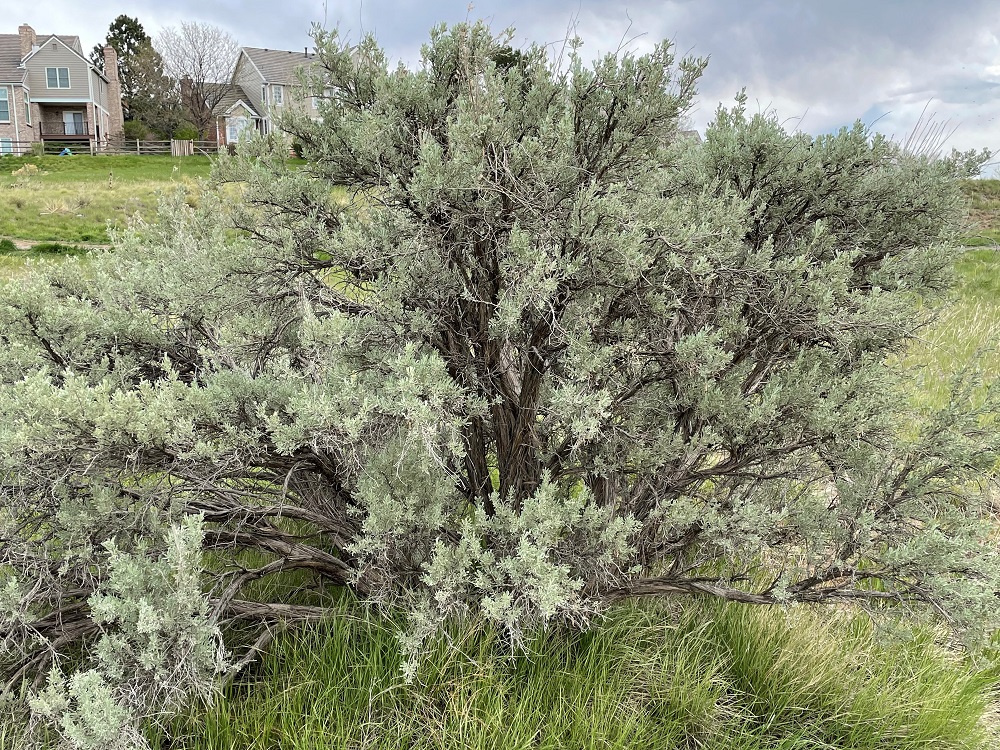
Big Sagebrush Shrub
The Big Sagebrush shrub is well adapted to the dry plains. It is recognized in most seasons by its silver-white leaves and the twisted woody stems.
Big Sagebrush Shrub Read More »


The Big Sagebrush shrub is well adapted to the dry plains. It is recognized in most seasons by its silver-white leaves and the twisted woody stems.
Big Sagebrush Shrub Read More »
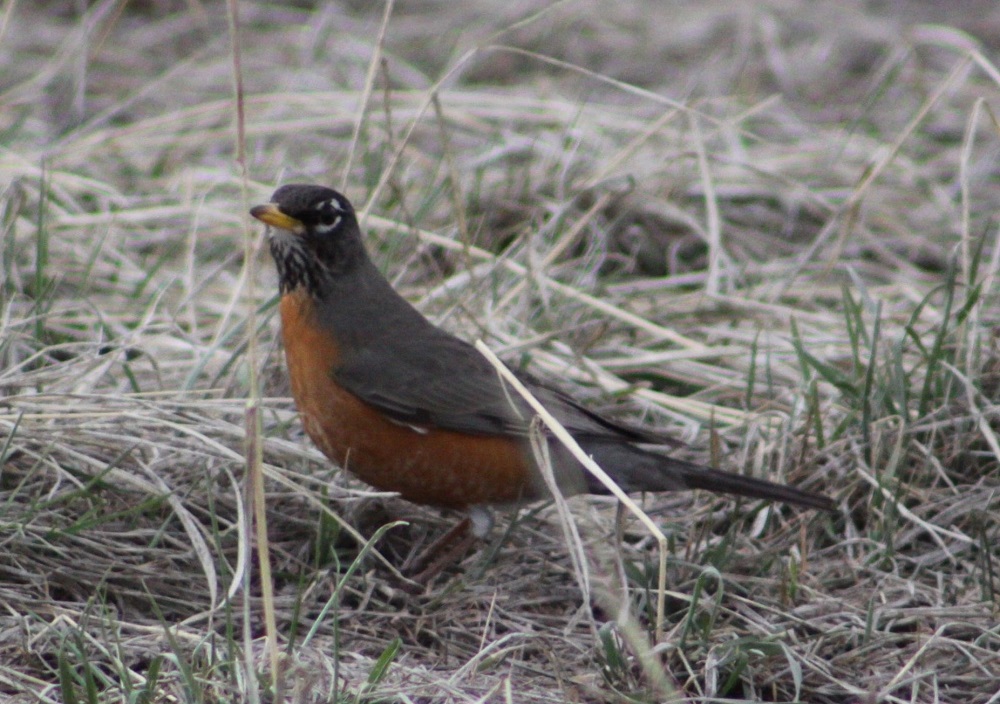
American Robins have dark heads, wings and tail and brick red breasts. They are more comfortable with people than some other birds and sing from early morning to after sunset which allows them to be more well-known than other birds.
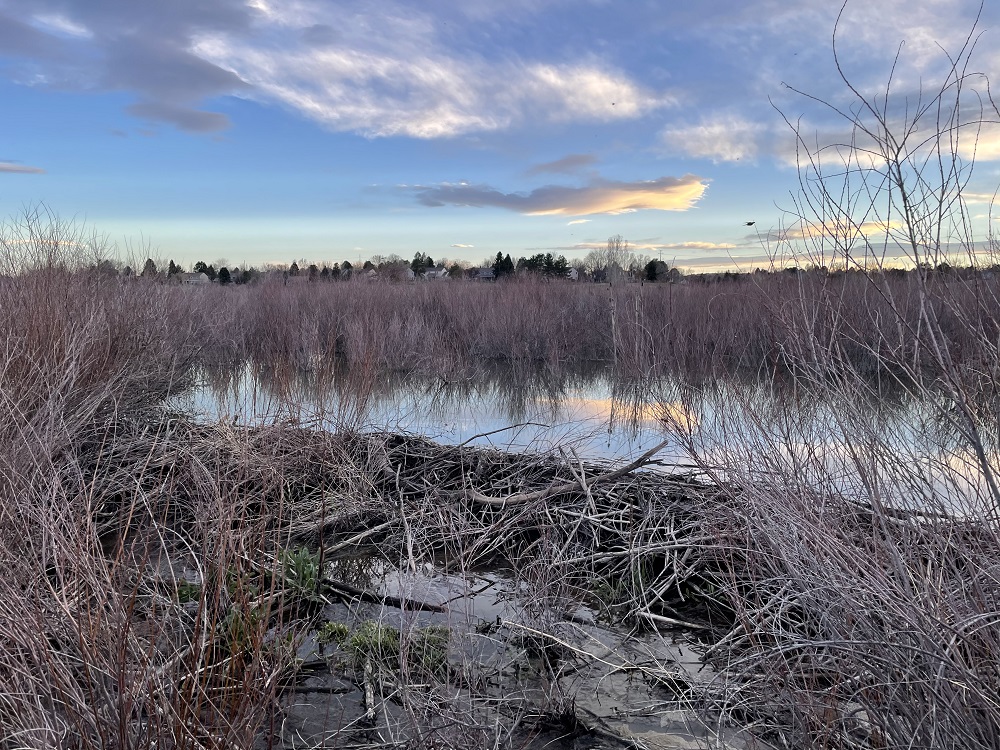
The Willow Spring Open Space, as experienced at noon and at sunset in late April, 2021 had many birds and animal signs to see and was magical in the moonlit evening.
Willow Spring Open Space late April 2021 Read More »

Red-winged Blackbirds are known as marsh birds, and that is where you will find them in the Willow Spring Open Space. If you look among the willows and cattails, you can see and hear their large numbers.
Red-winged Blackbirds Read More »
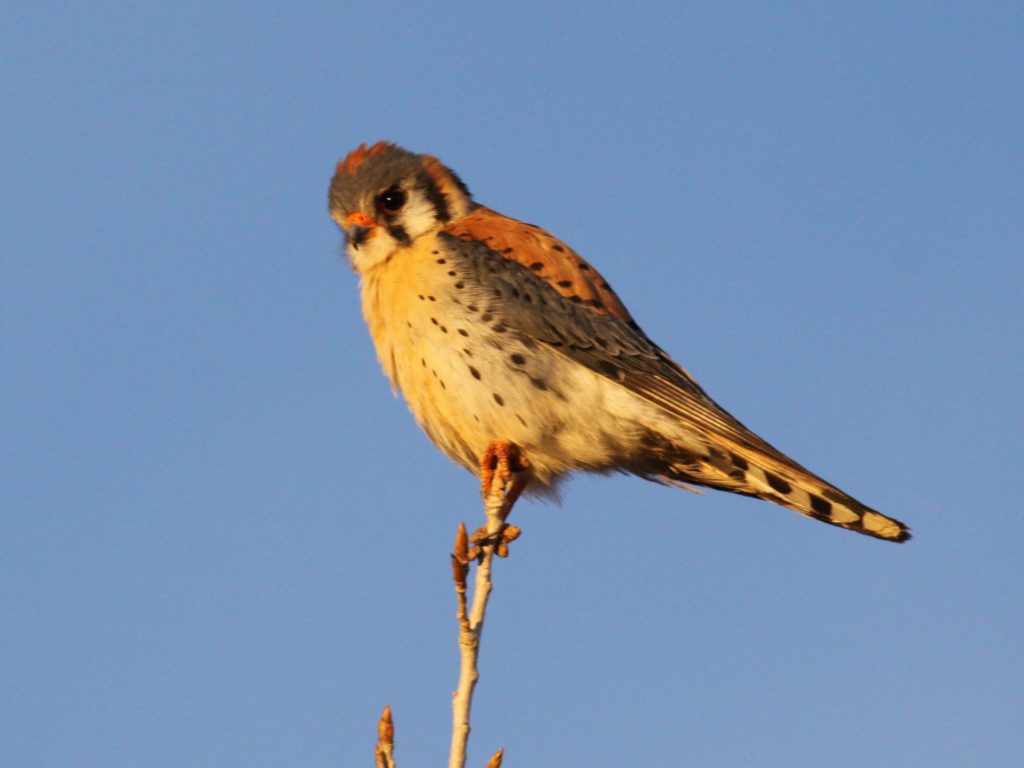
American Kestrels are small falcons. The males have a rusty back and blue-gray wings and can often be seen on fence posts or hovering in the air over their prey.
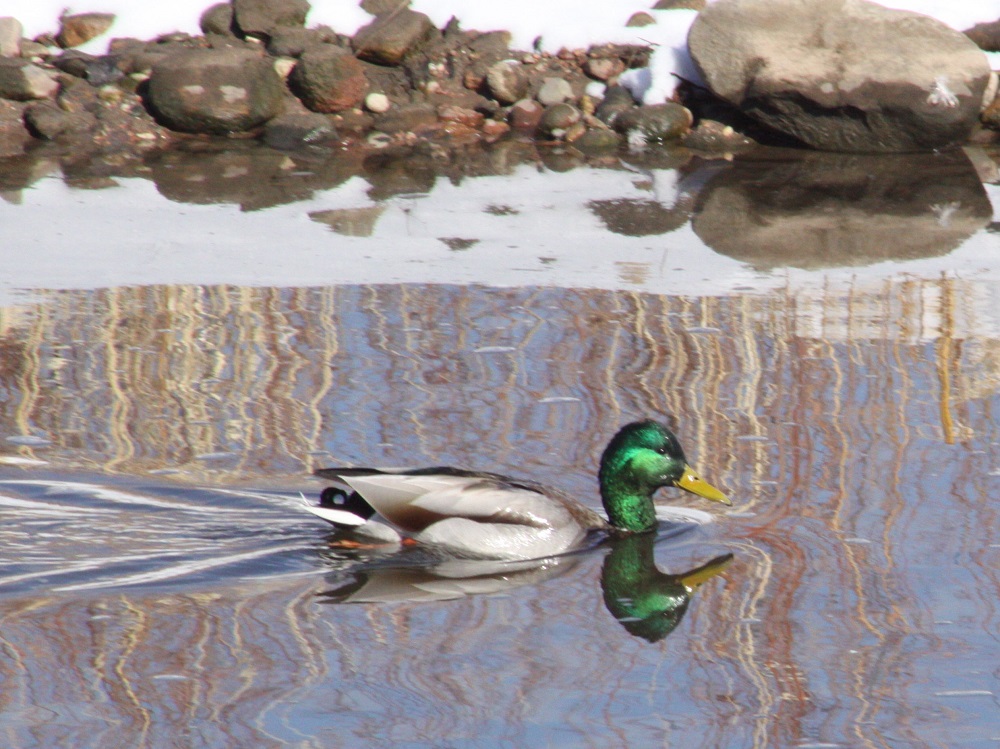
Mallards are ducks which frequently are seen in pairs. That’s helpful, because the female is easily confused with other ducks, but the male has a bright metallic green head and neck.
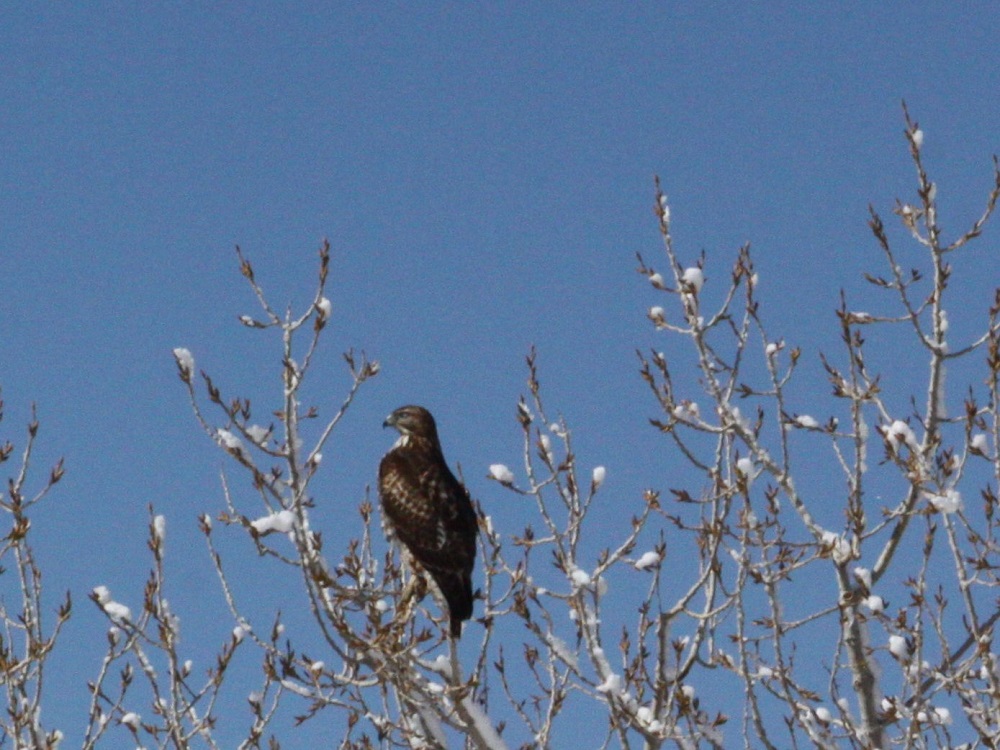
If you see a large bird soaring above the Willow Spring Open Space, chances are good that it is a Red-tailed Hawk. As it turns, you may be able to notice the rust colored tail that the name describes.
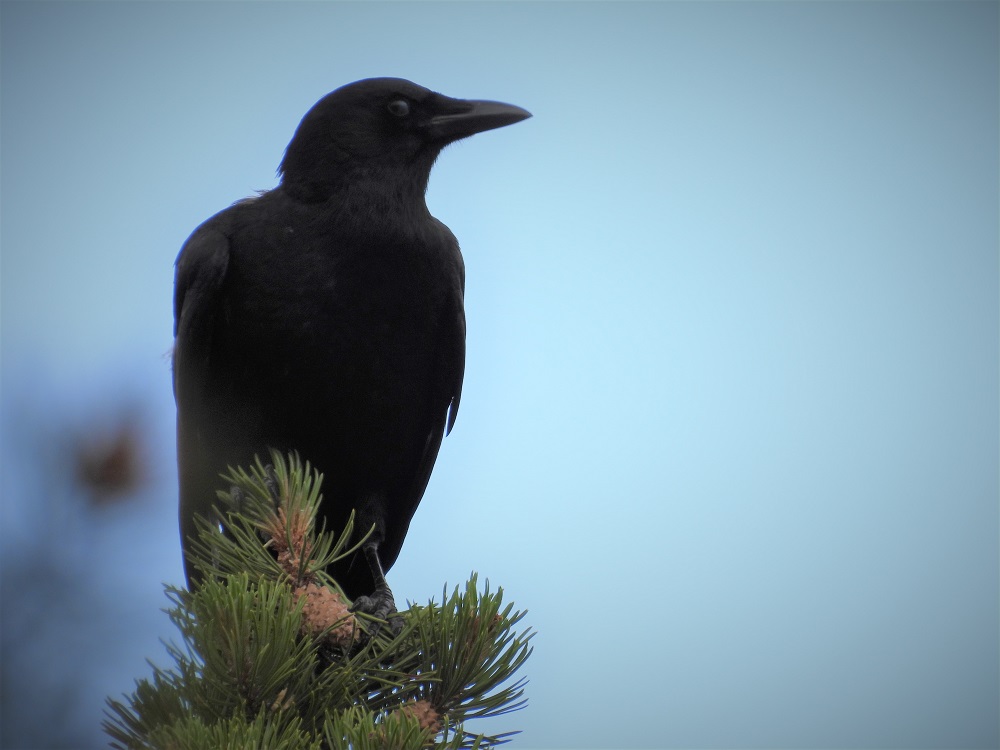
American Crows are large black birds that travel in flocks called a “murder” of crows. Their distinctive “caw caw” sometimes announces them before they are seen.
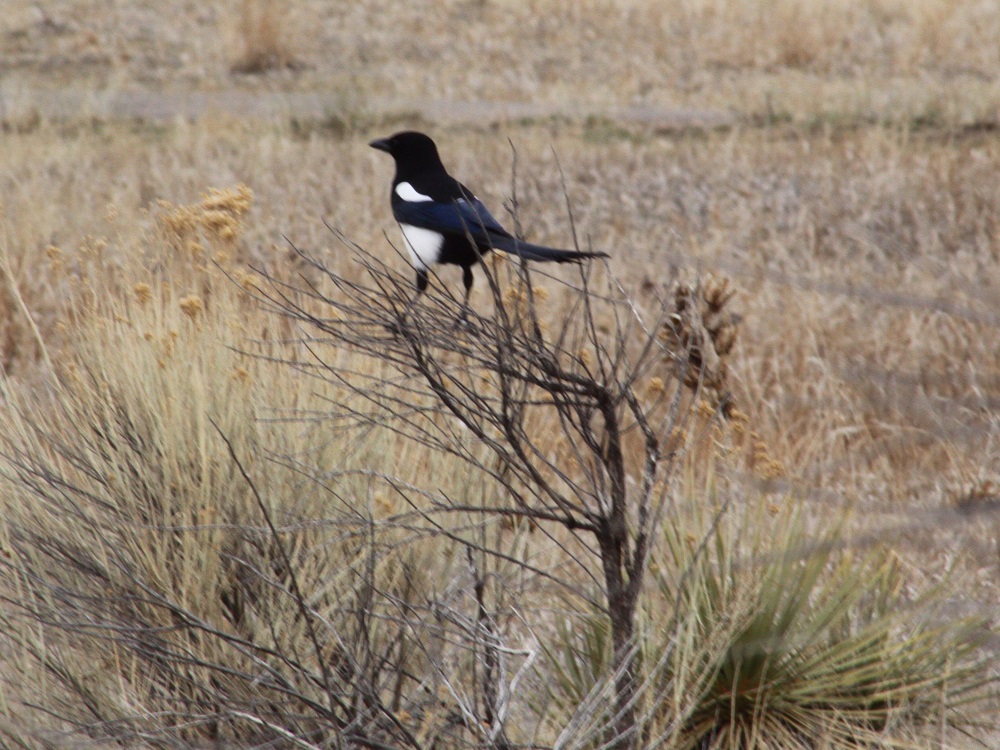
Black-billed Magpies are large birds that are easily recognized by their striking black and white colors along with their long tails.
Black-billed Magpies Read More »
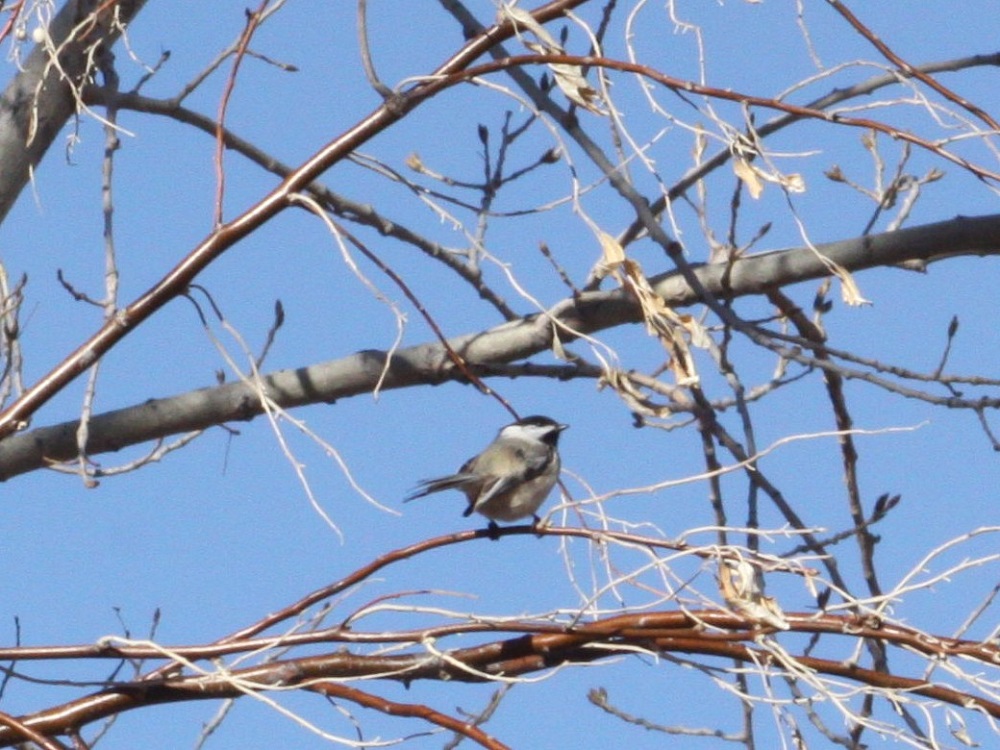
Black-capped Chickadees are small, cute, active birds that visit bird feeders in the neighborhood and also forage in thickets and low branches of trees.
Black-capped Chickadees Read More »